

Perinatal Mental Health
The time from planning, finding out, grieving, celebrating, crying, spiraling- and everything in between. One of, if not the biggest, changes you’ll ever experience.
What is the perinatal period?
First off what does this even mean, by definition this is conception through the first year of a little human’s life; by my definition, it’s this plus so much more.
It’s the considerations for internal and external pressures on career vs. family.
It’s the dread of the “biological clock” and the unknowns of fertility.
It’s navigating a loss and trying to grapple with how it is your baby is not here.
It’s processing your identity and understanding yourself again as your body and relationships change.
It’s wanting to explore and learn about your own upbringing in order to grow the next generation.
I hope to help you find a way to build and add identities to your story, and not to feel stuck in the expectations that may come with the changes of parenthood. These questions are important for both partners and parents, not just mommas or those birthing.
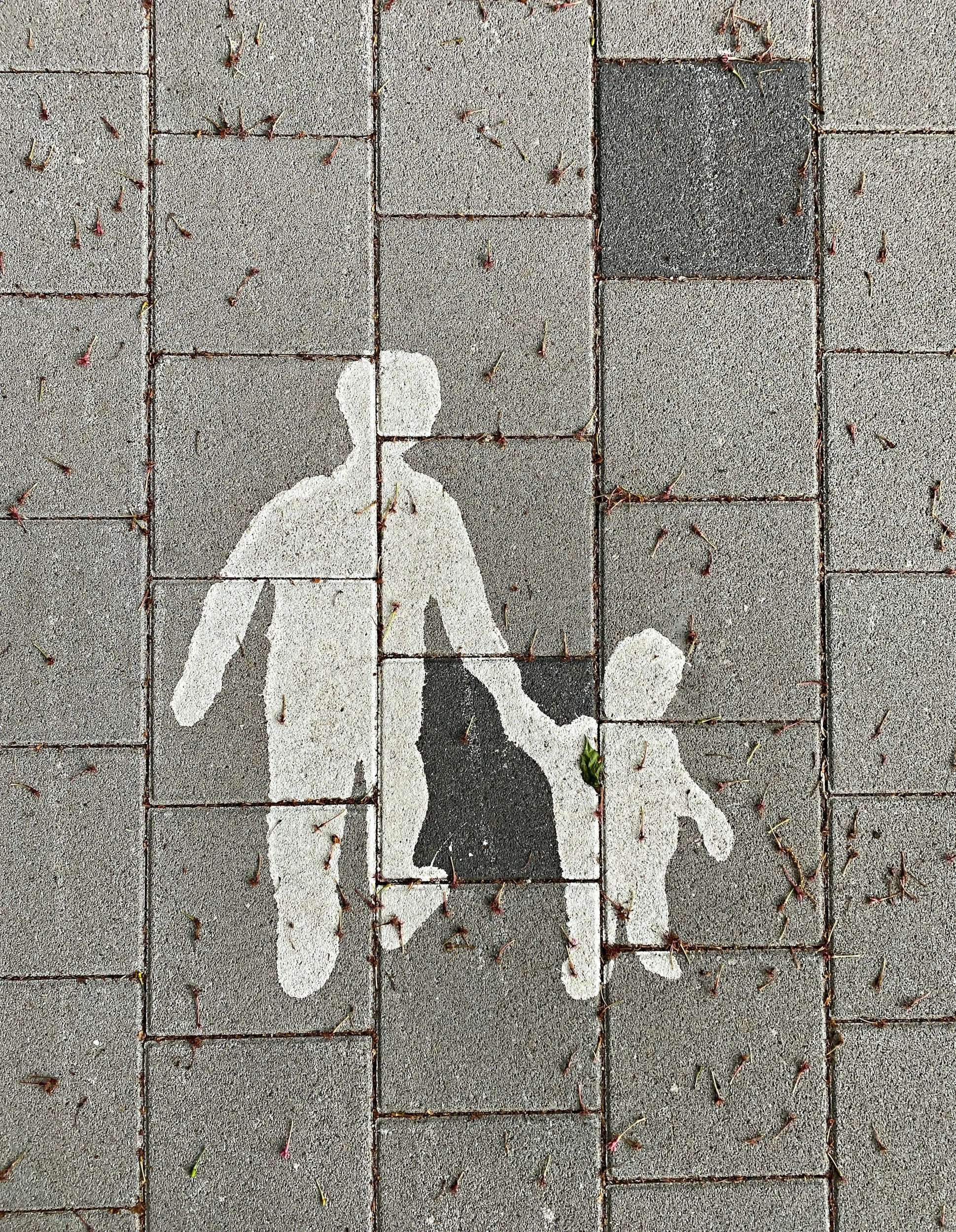
“I once thought I was to show you the world, when all along you came to show me.”
The mental health challenges in this period are often referred to as PMADS- Perinatal Mood and Anxiety Disorders. The reality is there is so much more nuance and the use of “postpartum” as a catch all for any emotional challenges is not at all accurate . Here at Moss and Meadow we can explore:
Perinatal Anxiety
Perinatal OCD
Perinatal Depression
Perinatal PTSD and Birth trauma experiences
Identity Changes
The Rage
Balancing joy for the changes and disappointment in the changes
I want to make a special note as current events in July of 2026 are creating more conversations about Postpartum Psychosis (PPP) and PMADS in general. The stigma for all PMADS remains high; PPP is particularly stigmatizing. PPP is a medical emergency due to the intensity of symptoms and the disconnect from self/reality. Please know if you or someone you know is having thoughts and images of wanting to harm self or a child and these thoughts or images come in the way of hallucinations, delusions, and paranoia- it may be closer to a PPP situation; please reach out for emergent help. Perinatal OCD is not Postpartum Psychosis.
(This is not medical advice, this is for educational purposes to raise awareness and bring attention to this mental health emergency that is often misunderstood and missed entirely.)
Signs & Symptoms
-

Lack of Connection to your Partner
-

Lost Sense of Self
-

Unwanted intrusive Images or Thoughts
-

Excessive Worry
-

Increased Irritability/Rage
-

Challenges Emotional Connecting with Baby
Grief, Loss, and Fertility
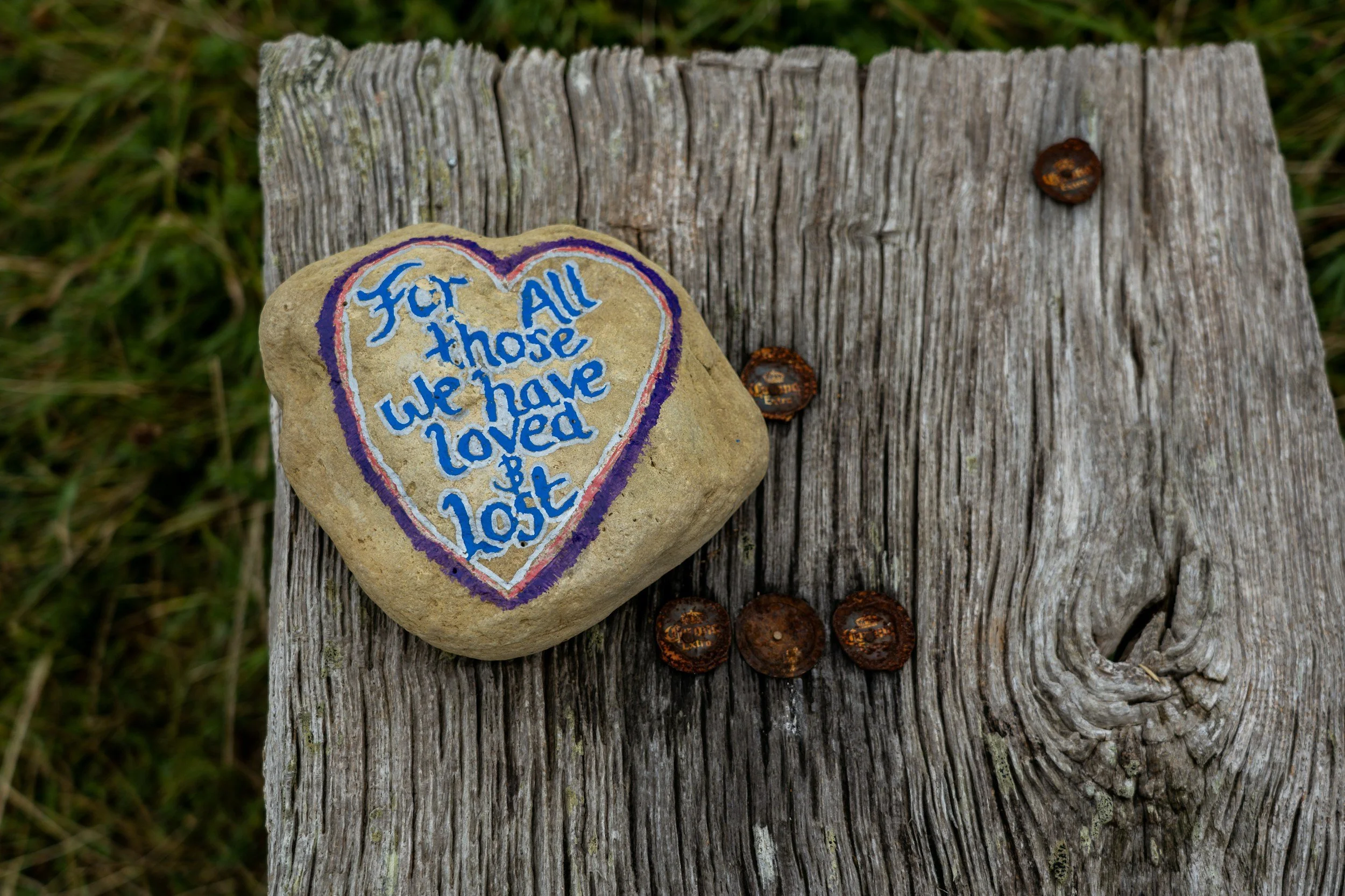
There are extreme layers of complicated emotions associated with the loss of a child and struggling becoming pregnant. Often times, grief in this area is stigmatized and isolating. For some, it can be more difficult to navigate how to be seen, supported, or share what it is like for you.
If you have yet to see those two pink lines, you might be grieving too. Grieving a future you hoped for and navigating the unknown of the future. There are no words that make it easier to articulate the heaviness it may bring when you are grieving a family you envisioned. These overwhelms can absolutely be experiences by both partners, all are welcome here.
Termination for Medical Reasons (TMFR) and abortions are also areas for grief and processing. Words can only go so far when you desire to have a child and you receive news that a medical condition could hurt you, your baby, or your family. And there are times when it’s not the time for you to grow a family. Know that at M&M, your body always means your choice.

Take the First Step Toward Feeling Better
It’s okay to ask for help. If you’re ready to explore therapy—or even if you’re just curious—schedule a free consultation today. Let’s talk about what you need and how we can support you.